Our Impact
The Need
WWP empowers warriors to enhance their overall physical health by providing nutritional education that helps them along their path to fitness, inspiring group activities and participation in adaptive sports, and in coaching them to set goals and acquire lifelong skills.
Physical Health


Lifelong Care

Financial Wellness

Advocacy

Community Partnerships

Social Connection

Mental Health

Physical Health
Read Bill's story
Wounded Warrior
Bill Hansen
Wounded Warrior
Keara Torkelson
Read Keara's story
Our Impact
The Need
WWP helps wounded warriors, their families, and caregivers build stronger support networks and enhances their mental wellness by engaging them in social events, support groups, and community-building.
Social Connection
Wounded Warrior
Tina Waggener
Read Tina's story
of warriors reported anxiety.
80%
Our Impact
The Need
WWP knows that many wounds are unseen and can arise years after service. We work diligently to help warriors, their families, and caregivers to identify stressors, address challenges, and improve emotional resilience, putting them in a position to thrive.
Mental Health
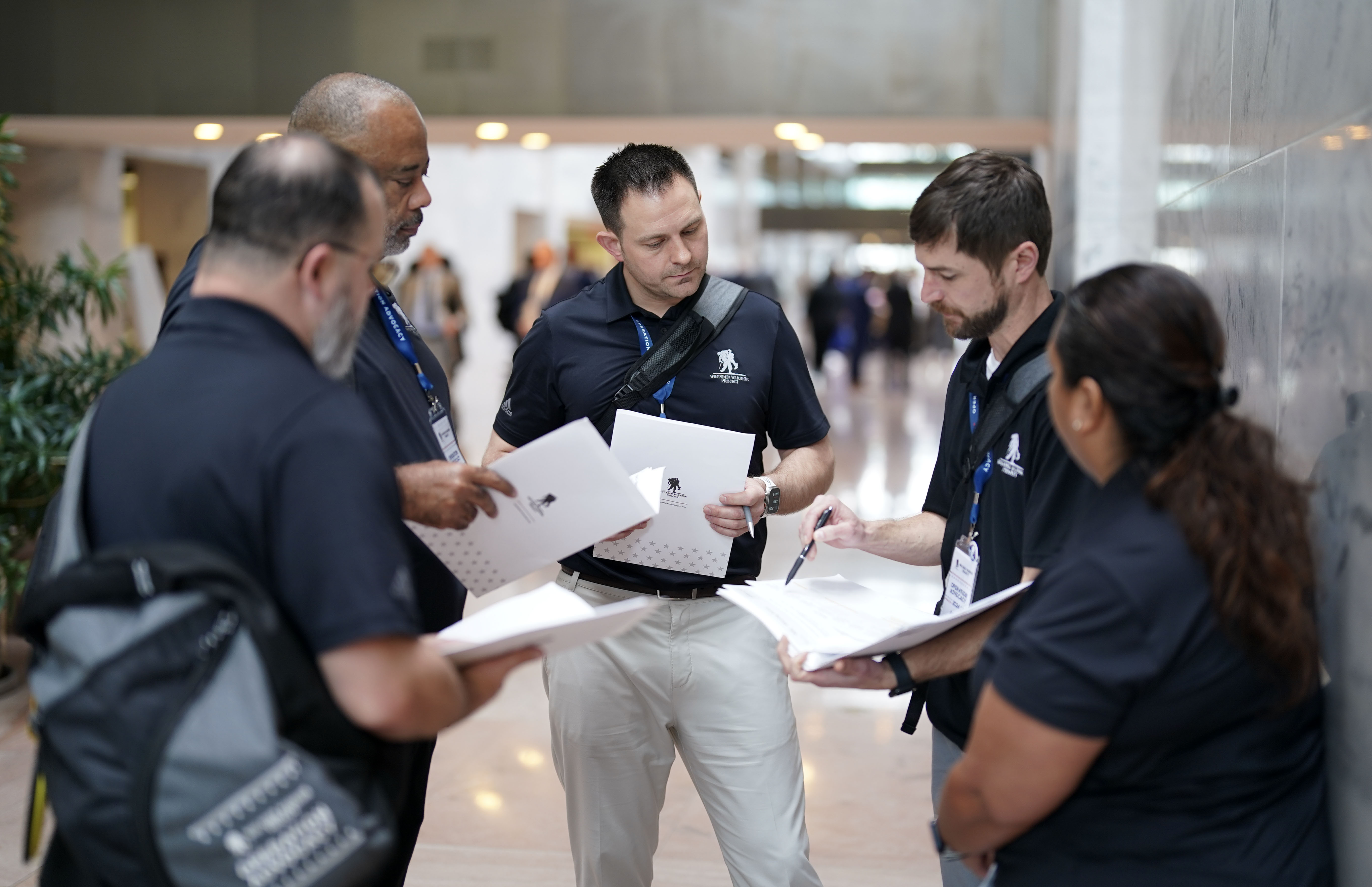
Wounded Warriors at the Operation Advocacy Warrior Fly-In in D.C.
Learn more
WWP represents our nation’s warriors in Washington, DC, on issues that matter most to them. As champions for warriors, we remain committed to improving the lives of millions of veterans, their families, and caregivers through our ongoing advocacy efforts.
�To do that effectively, we’re always listening to their insights and concerns. Using warriors’ feedback, the Government Affairs team advocates for changes to policies and initiatives impacting veterans, such as brain health and traumatic brain injury, mental health and suicide prevention, transition support, toxic exposure, women veterans, economic empowerment, and comprehensive care and support for the severely wounded.�
Advocacy
Wounded Warrior
Sam Hargrove
Read Sam's story
Our Impact
The Need
WWP supports warriors and their families in building a foundation of financial wellness by helping warriors to access benefits, gain meaningful employment through job readiness and placement programs, and improve their financial management skills. WWP also provides emergency financial assistance in times of crisis.
Financial Wellness
Wounded Warrior
Drew Carpenter
Read Drew's story
Our Impact
The Need
WWP provides long-term supportive care and other essential resources for warriors and families of warriors with moderate-to-severe traumatic brain injuries, spinal cord injuries, neurological conditions, and other catastrophic injuries that leave warriors needing daily help from caregivers.
Lifelong Care
Learn more
WWP invests in best-in-class organizations to complement its programs and services and build a collaborative support network. This work is vital to building robust and resilient veteran families and communities.
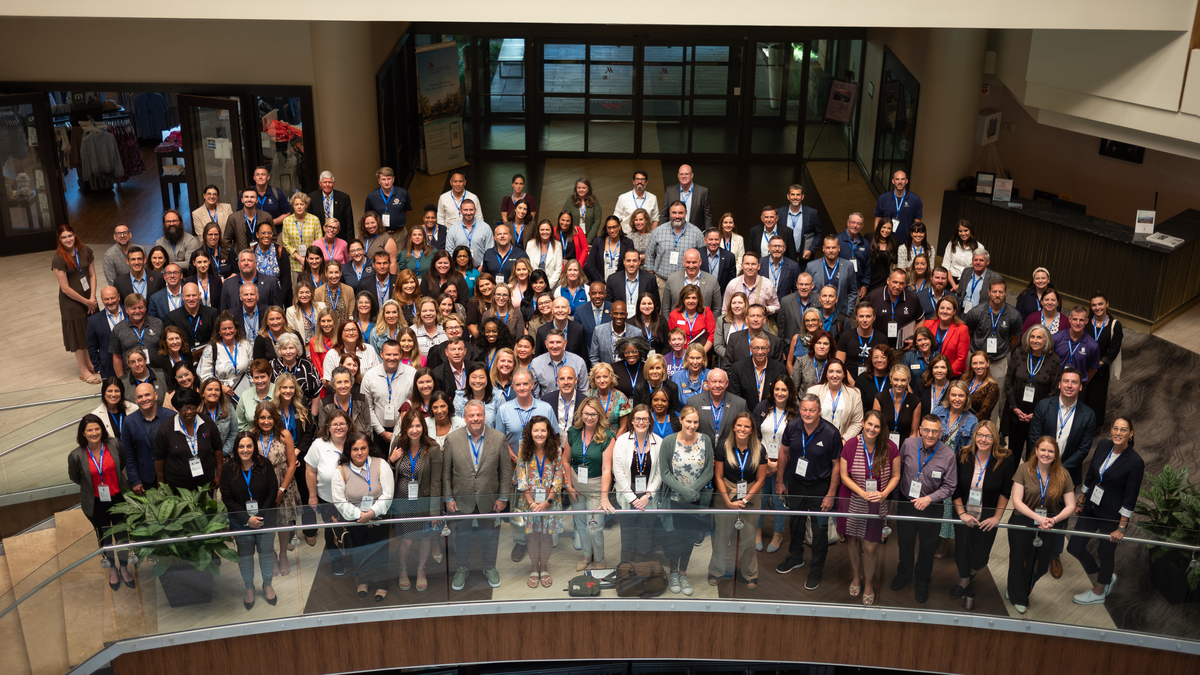
In 2024, the WWP Community Partnerships & Investments team reinforced our programmatic efforts and expanded our impact by investing in 43 like-minded military and veteran support organizations. We believe no single organization can meet the needs of wounded, ill, and injured veterans alone.
By collaborating with other military and veteran support organizations, we amplify the effects of our efforts. Our investments and unfunded partnerships in the military and veteran community fill gaps in our programs and reinforce our existing efforts.
Community Partners & Investments
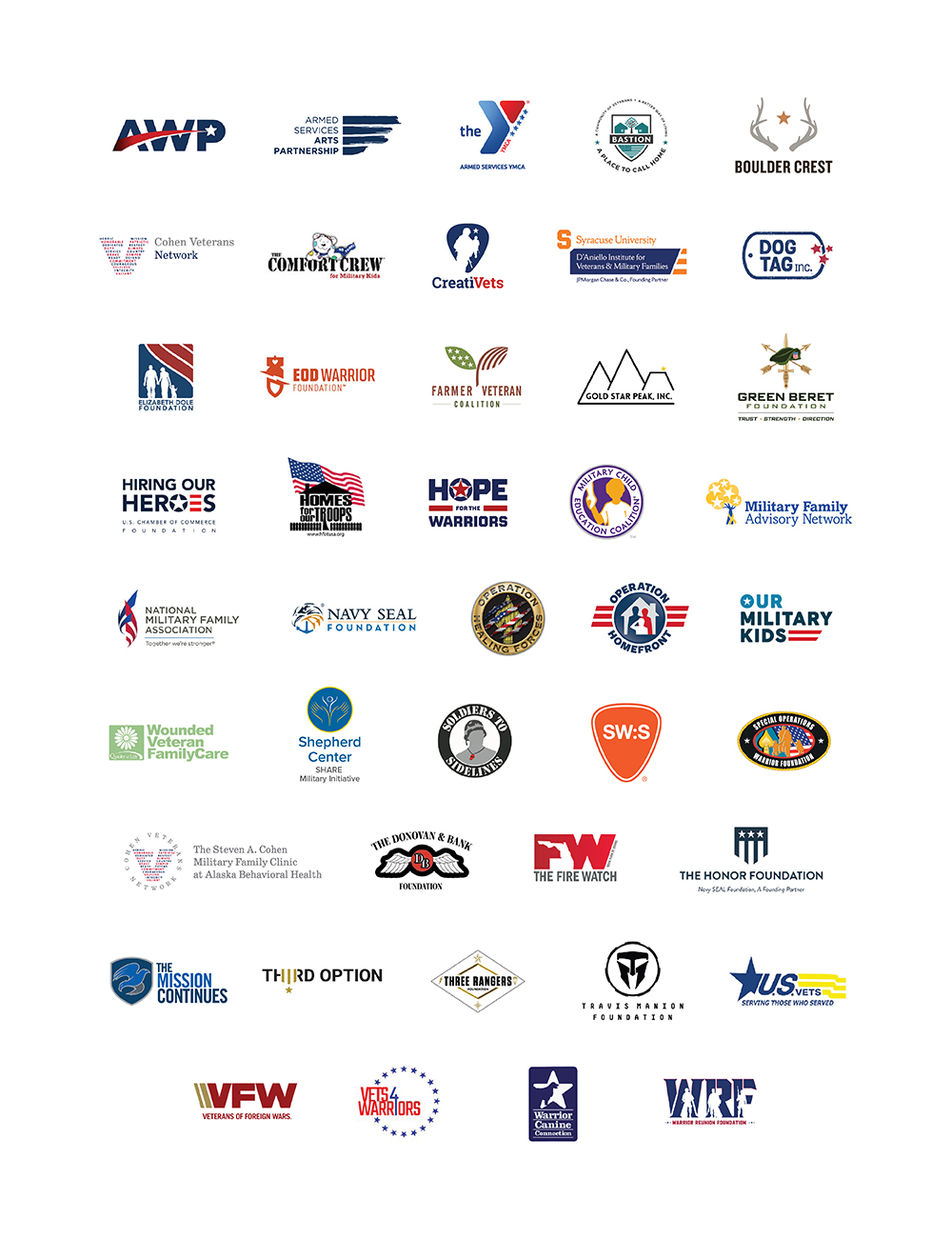
Community Partner Organizations
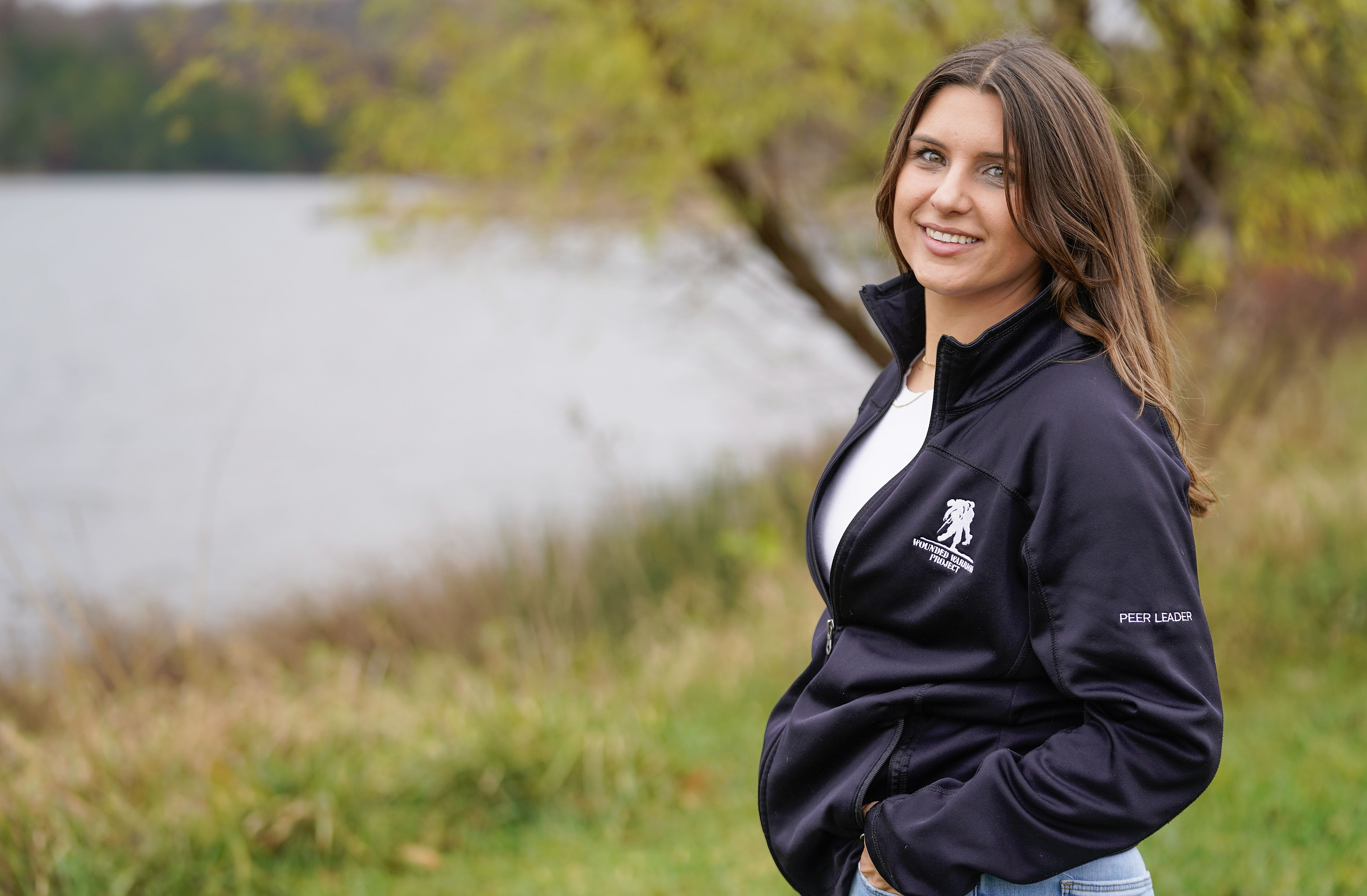
A breakthrough moment occurred during a WWP shooting range event, where she successfully confronted trauma-related fears.
Today, Torkelson serves as a volunteer peer leader within WWP, leading online classes and supporting other veterans, with a particular focus on addressing isolation among women veterans.
While managing her own PTSD and family responsibilities, she remains dedicated to veteran peer support, embodying WWP’s principle of warriors carrying warriors through recovery.
Warrior Story: Keara Torkelson

Army Reserve veteran Keara Torkelson’s military service was marked by tragedy when she was severely wounded during the 2009 Fort Hood mass shooting, sustaining gunshot wounds to her back and head just before her planned Iraq deployment.
Despite continuing to serve for two additional years, she was medically retired at age 23 due to her injuries, which included chronic headaches from retained metal fragments and PTSD. Torkelson’s engagement with WWP proved transformative in her recovery journey.
Through various WWP programs, particularly Project Odyssey, she gained valuable tools for managing PTSD symptoms and rediscovered the military camaraderie that had been crucial to her well-being. �

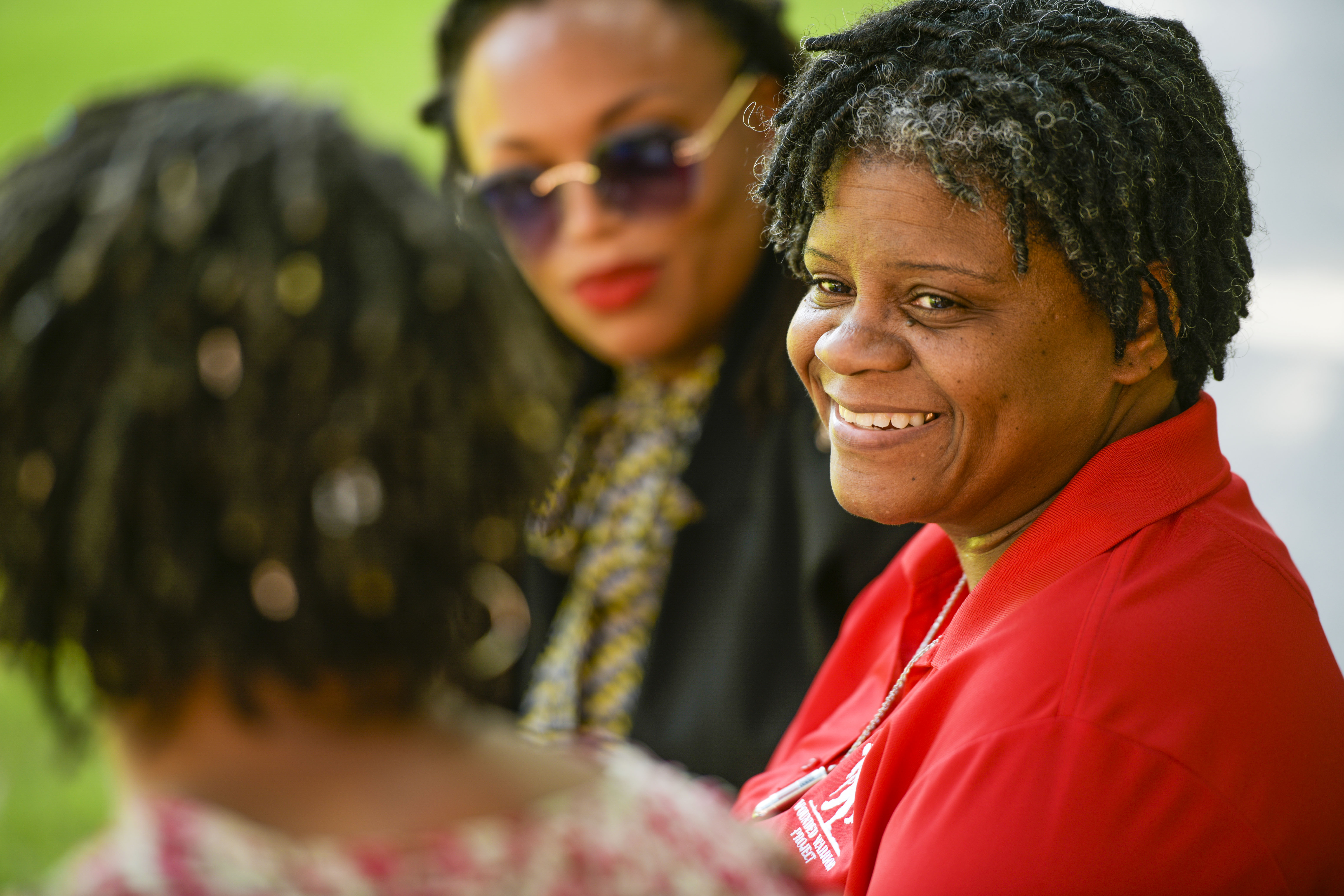
Warrior Story: Tina Waggener
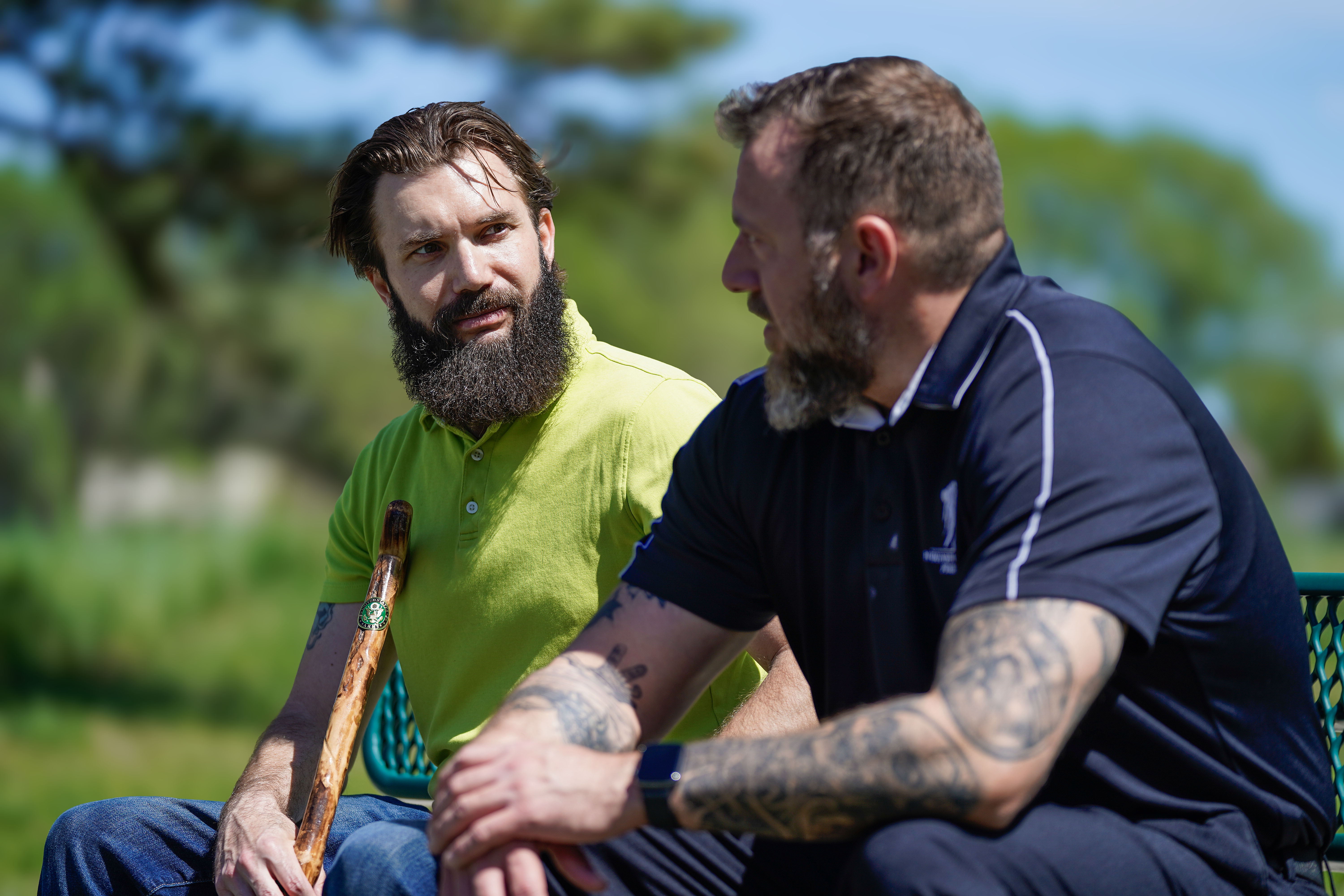
Through a women’s PTSD treatment program, Waggener discovered WWP, initially participating in Project Odyssey® before advancing to roles as a volunteer peer mentor and group leader.
Today, Waggener dedicates herself to veteran advocacy, with particular focus on women veterans. She leads support groups, coordinates events, and champions policy reform.
Her personal experience drives her commitment to connecting isolated veterans with essential resources and community support. “I see the difference Wounded Warrior Project makes every single day,” says Waggener, highlighting WWP’s impact through legislation, programs, and community building.
Tina Waggener’s journey exemplifies the transformative impact WWP programs have on veterans’ lives. Following her 1998 enlistment in the U.S. Army, Waggener served as an armament and electrical systems specialist for Apache helicopters, with deployments to South Korea and Germany.
Her military career was distinguished by technical excellence and rapid advancement, though it also presented unique challenges as one of few women in her units.
�During her service, Waggener sustained multiple injuries, including an undiagnosed traumatic brain injury (TBI). Her transition to civilian life was complicated by PTSD and difficulty translating military expertise to civilian employment.
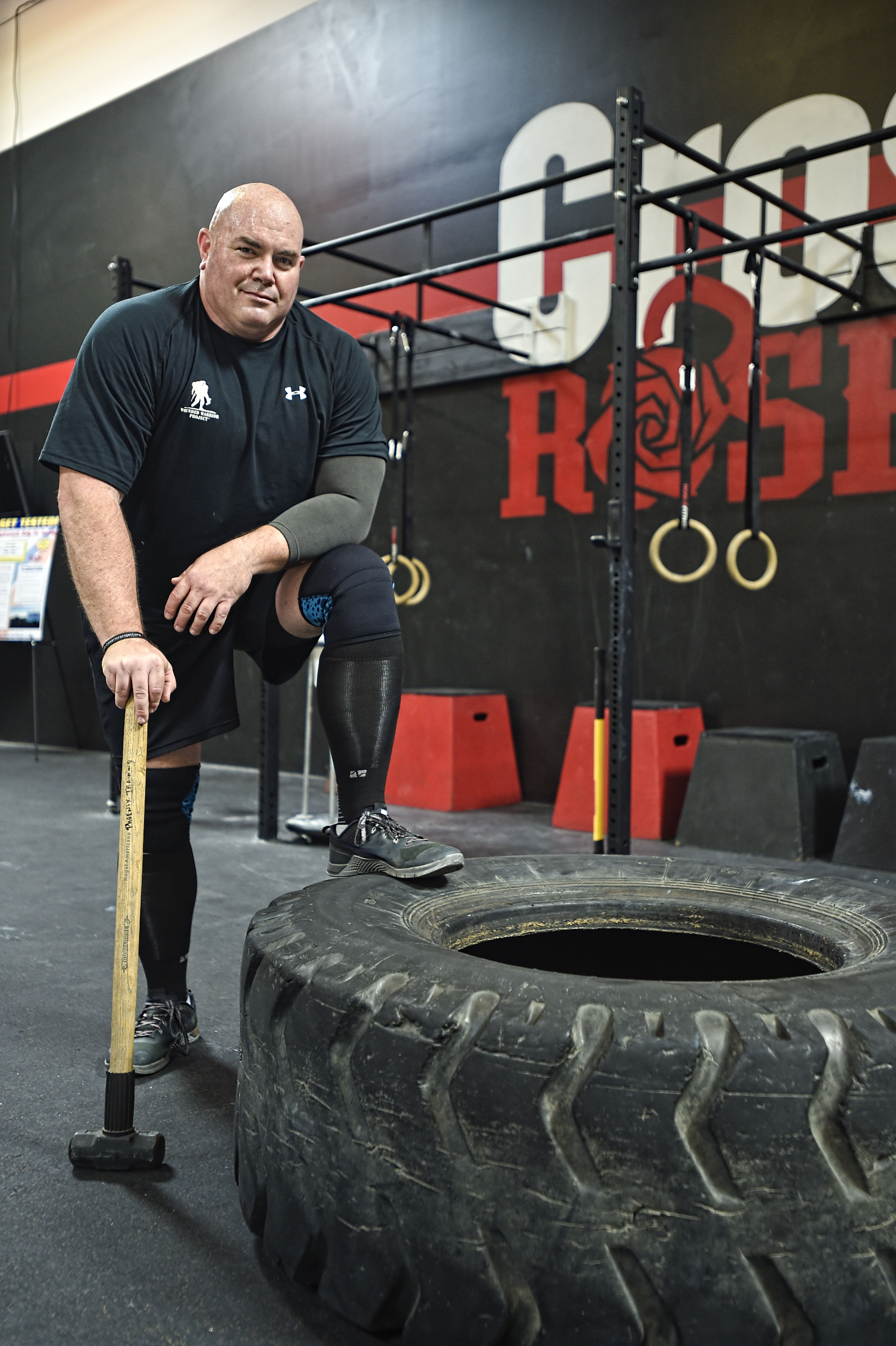
The combination of physical and mental wellness improvement enabled Hansen to rebuild relationships with his daughters and regain control of his life.
Through the WWP Warriors to Work® program, Hansen secured employment as a personal trainer at a national fitness chain, specializing in veteran clients.
Hansen’s approach integrates physical training with informal peer support. He notes that the training environment creates a safe space for veterans to discuss personal challenges, observing that meaningful conversations often emerge naturally during workout sessions. His story exemplifies the WWP mission of fostering veteran rehabilitation through multifaceted support programs.
Bill Hansen’s 22-year military career included 10 years in the Marine Corps and 12 years in the Army National Guard, with deployments during Operation Desert Storm and Operation Iraqi Freedom.
Following his extended deployment, Hansen faced significant personal challenges, including a strained relationship with his daughters and struggles with depression and physical fitness.
In 2013, Hansen’s participation in WWP Soldier Ride marked a turning point. Despite taking six hours to complete his first obstacle course event, this achievement catalyzed his transformation.
Hansen discovered a new purpose in helping fellow veterans through physical fitness training.
Warrior Story: Bill Hansen
When a friend mentioned WWP, Sam reached out. WWP immediately connected her with financial assistance programs to address her most urgent bills.
More importantly, they enrolled Sam in financial education classes where she learned budget management, debt reduction strategies, and the critical practice of “paying herself first” through consistent savings.
�Today, Sam maintains an emergency fund and follows a strict budget. She mentors fellow veterans navigating financial hardships. “Financial stress can be as devastating as any battlefield injury,” Sam explains. “WWP gave me the tools to rebuild my financial foundation and reclaim my independence.
Sam Hargrove joined the U.S. Air Force in 1996 for the promise of a better life and a secure future. After surviving a bomb blast in Iraq in 2003 that left her with injuries, Sam returned home to face new battles, particularly PTSD, which led to other problems.
As her mental health challenges worsened, so did her personal and financial life. Disaster struck when Sam’s house developed structural issues. With no alternative, she depleted her savings to cover repairs. The financial strain quickly escalated as bills piled up and her accounts couldn’t keep pace.
“I was drowning financially,” Sam recalls. “After serving my country, I never imagined I’d struggle to keep my lights on.”
Warrior Story: Sam Hargrove
In 2018, Carpenter’s life took another challenging turn when he was diagnosed with Guillain-Barré syndrome, a debilitating neuromuscular condition that left him bedridden for six months.
During this difficult period, WWP became a crucial support system, providing resources through programs like Project Odyssey, Physical Health and Wellness coaching, and Soldier Ride.
Despite his medical challenges, Carpenter remains committed to service, focusing on helping other warriors. His perspective reflects determination and purpose: “I’m doing the best I can, working on my recovery. But I still have to fill my time with purpose. For me, that means helping other people.”
Drew Carpenter’s journey exemplifies resilience and transformation in the wake of military service. Inspired by the events of 9/11, he enlisted in the U.S. Army after high school and deployed to Iraq in 2005.
His military experience exposed him to intense combat conditions, including improvised explosive devices and combat evacuations.
Upon returning home, Carpenter faced significant health challenges, including a traumatic brain injury, PTSD, and various physical injuries. His military service continued through the National Guard, where he discovered WWP.
Initially volunteering as a peer support group leader, he found community and support among fellow veterans.
Warrior Story: Drew Carpenter
of warriors presented with symptoms of one or more mental health conditions.
63%
of warriors reported post-traumatic stress disorder (PTSD).
77%
hours of treatment for PTSD, traumatic brain injury, substance use disorder, and military sexual trauma.
68,600+
emotional support calls conducted with warriors and family members.
12,950+
warriors and family members connected to mental health programs.
19,790+
of warriors reported sleep problems.
83%
of warriors reported that pain interfered moderately or severely with their enjoyment of life.
76%
of warriors who received wellness coaching from WWP experienced a significant improvement in mobility.
68%
of those who participated in Soldier Ride felt temporarily relieved from daily stress.
98%
of warriors reported lacking companionship.
72%
of warriors reported feeling left out.
75%
of warriors reported they sometimes or often feel isolated.
79%
warrior-only peer support group meetings held, keeping warriors and families connected and out of isolation.
1,240+
virtual and in-person connection events.
5,250+
of warriors reported their financial strain is from the increased costs of goods.
55%
of warriors reported that they did not have enough money to make ends meet at some point in the past 12 months.
67%
of warriors are unemployed — three times higher than the general population.
12%
warriors and families served through financial counseling seminars.
1,970+
economic impact of VA benefits claims secured by WWP, with 83% approval rate.
$223.6M
career coaching services provided.
65,100+
of participants receive care in their homes and communities, allowing them to live more independently outside of a residential facility.
94%
hours of care provided to the most severely injured warriors.
266k+
of warriors reported their spouse as their primary caregiver, providing, on average, nine hours of assistance daily for six days a week.
82%
of warriors report needing aid and/or assistance from another person due to service-related injuries or health problems.
26%