Hover on the arrows to learn more about quality of life factors affecting warriors.
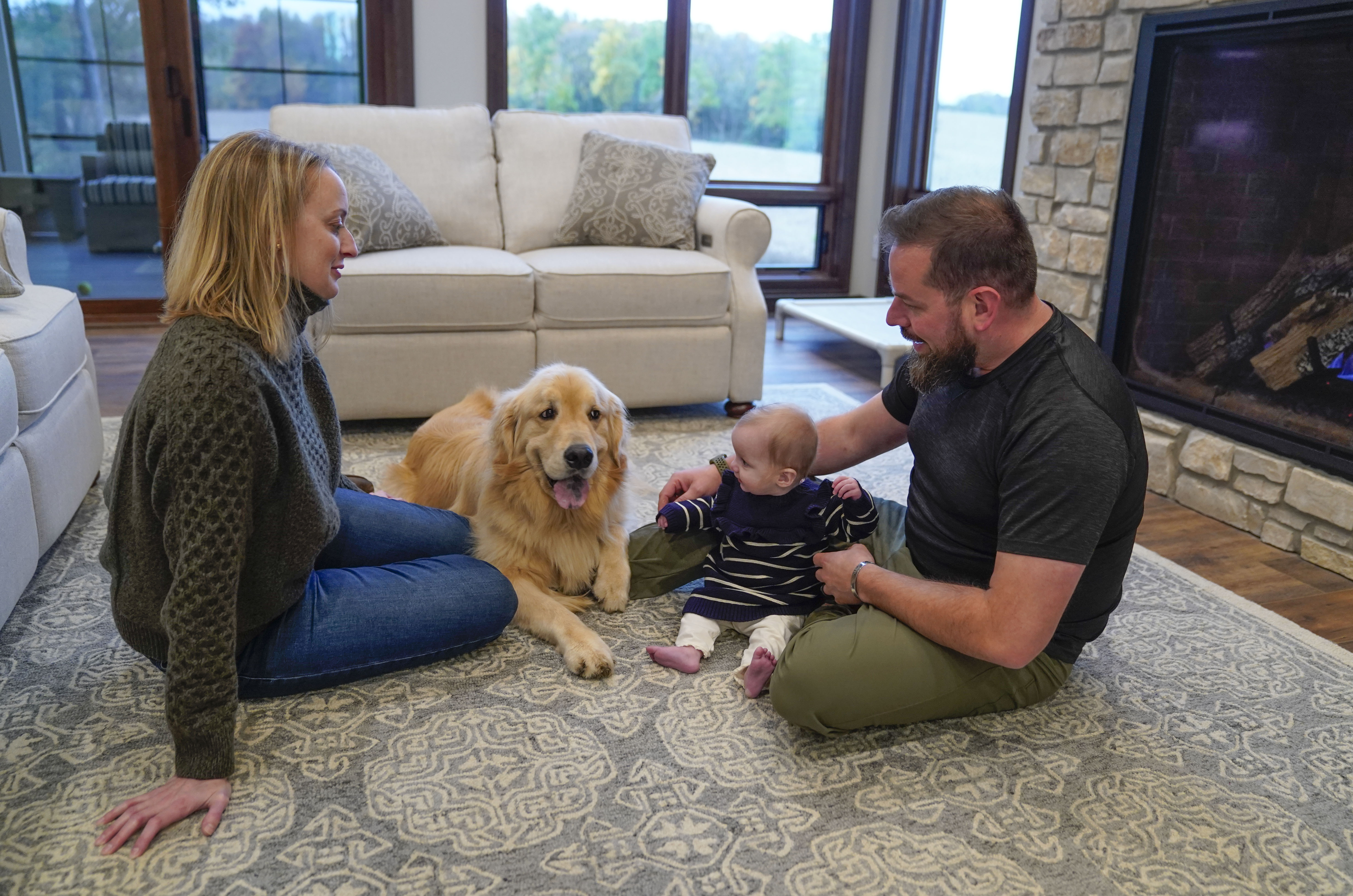






Mental Health
More than 6 in 10 warriors report having one or more mental health conditions — anxiety (80%), depression (77%), and PTSD (77%) remain the top mental health issues. Reducing mental health conditions can have a positive impact on WWP warriors' quality of life.
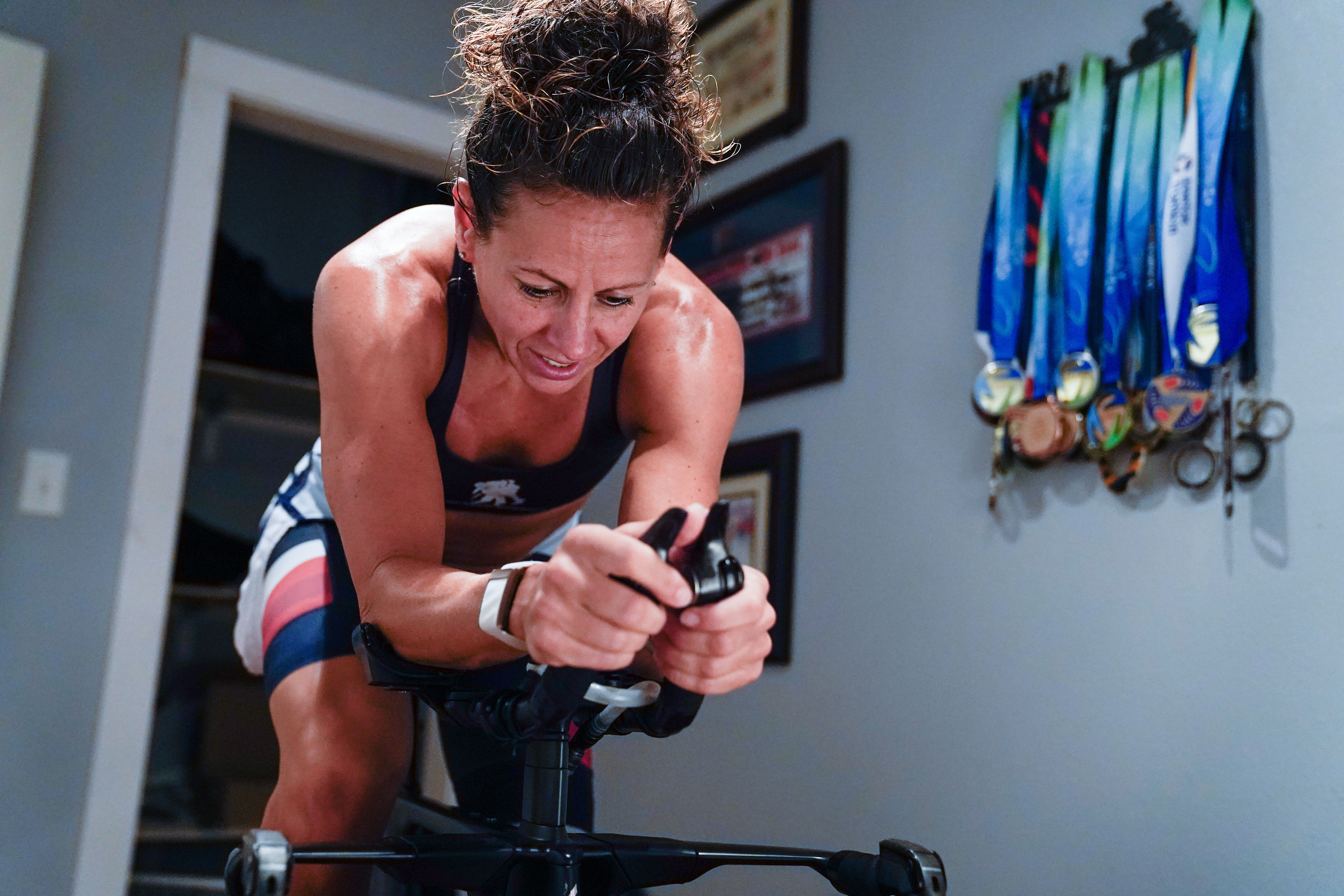
Physical Wellness
Sleep quality is one of the strongest indicators of overall well-being, yet 82% of WWP warriors report sleep problems. Good sleep quality can have a positive impact on WWP warriors' quality of life. Additionally, obesity continues to be a concern because of the negative associations between obesity and quality of life.
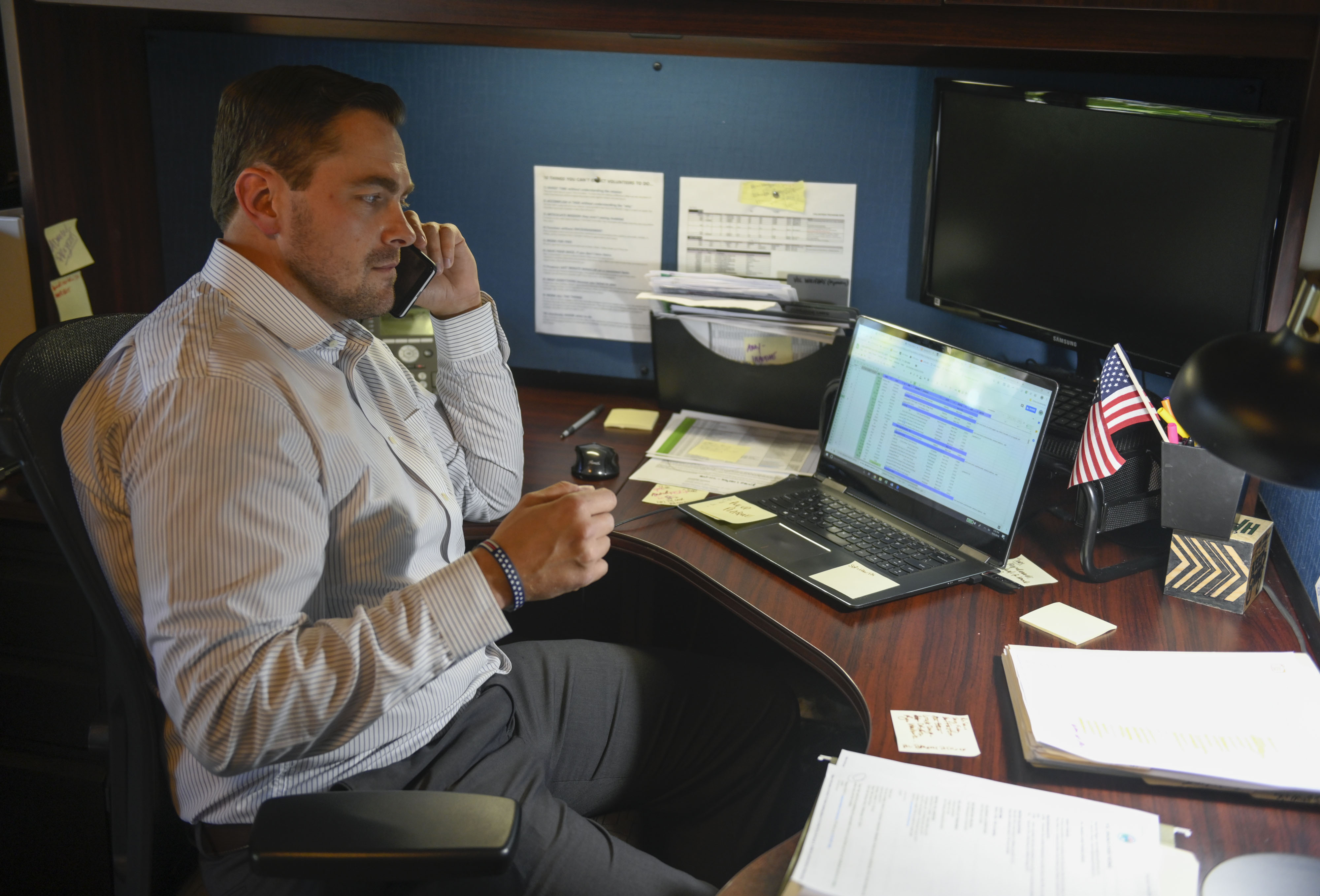
Financial Wellness
Wounded warriors face an unemployment rate three times higher than the general veteran population, meaning their jobs do not match their skills and experience, or opportunities are limited due to service-connected injuries. Employment gives WWP warriors purpose and helps build confidence and financial stability.
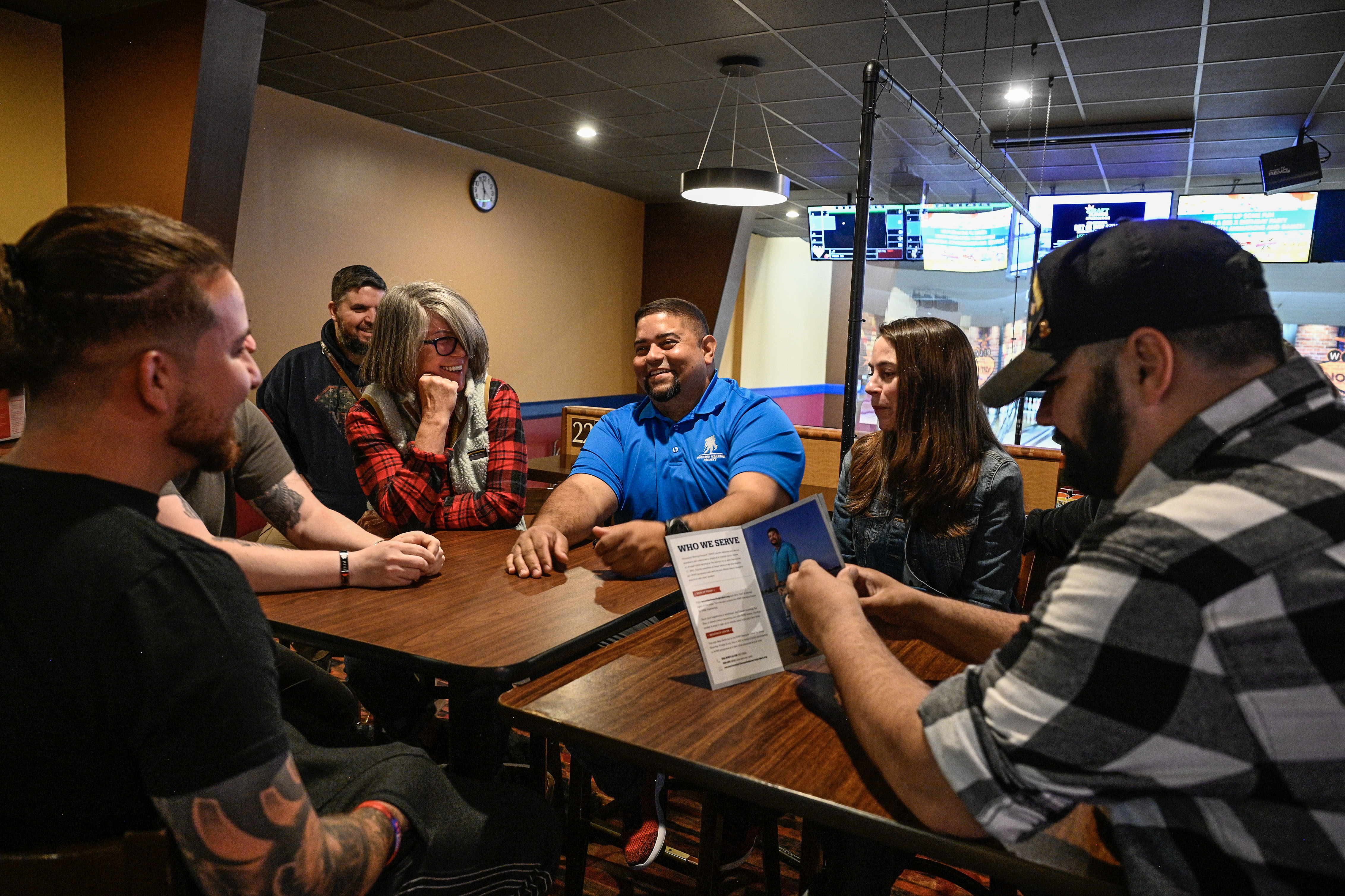
Social Connection
Nearly 80% of warriors struggle with loneliness, making it harder to build meaningful connections after service. A sense of connectedness can have a positive impact on WWP warriors' quality of life.
Spiritual Well-Being
Hardship reveals strength. More than a quarter (27%) discovered they are stronger than they ever thought possible, proving that growth comes from adversity. Overcoming traumatic experiences helps warriors face challenges and enhance their quality of life.
Sleep Quality Risk and Protective Characteristics
Protective
No pain or effectively managing pain
Physical activity (some intentional exercise)
Higher post-traumatic growth
Employment Risk and Protective Characteristics
Risk
Presenting with symptoms for one or more mental health conditions
Loneliness Risk and Protective Characteristics
Risk
Presenting with symptoms for one or more mental health conditions
Post-Traumatic Growth Risk and Protective Characteristics
Risk
Loneliness
COPY EMBED CODE
Learn more about the survey
Risk
Loneliness
Military sexual trauma (MST)
Mental Health Conditions Risk and Protective Characteristics
Learn more about the survey
Learn more about the survey
Learn more about the survey

Financial strain
Obesity
Learn more about the survey
Protective
Good sleep quality
Employment
Higher post-traumatic growth
Learn more about Mental Health and Wellness
Learn more about Physical Health and Wellness
Learn more about Warriors to Work
Learn more about the Alumni Connection program
Learn more about WWP's programs and support
Risk
Presenting with symptoms for one or more mental health conditions
Protective
No characteristics were found to make it more likely for WWP warriors to be employed
Protective
High resilience
Good sleep quality
Higher post-traumatic growth
Protective
Good sleep quality
High resilience
Participation in a support group for stress, emotional, or mental health concerns
Previous deployment to a combat area
Obesity Risk and Protective Characteristics
Risk
No characteristics were found to make it more likely for WWP warriors to have a BMI of 30 or above
Protective
Physical activity (some intentional exercise)